October 22, 2026 · 7 min read
Thinking Is Dead, Long Live Thinking!
Agents took over the tactics. What's left is the most human part of the work, and it matters more than ever.
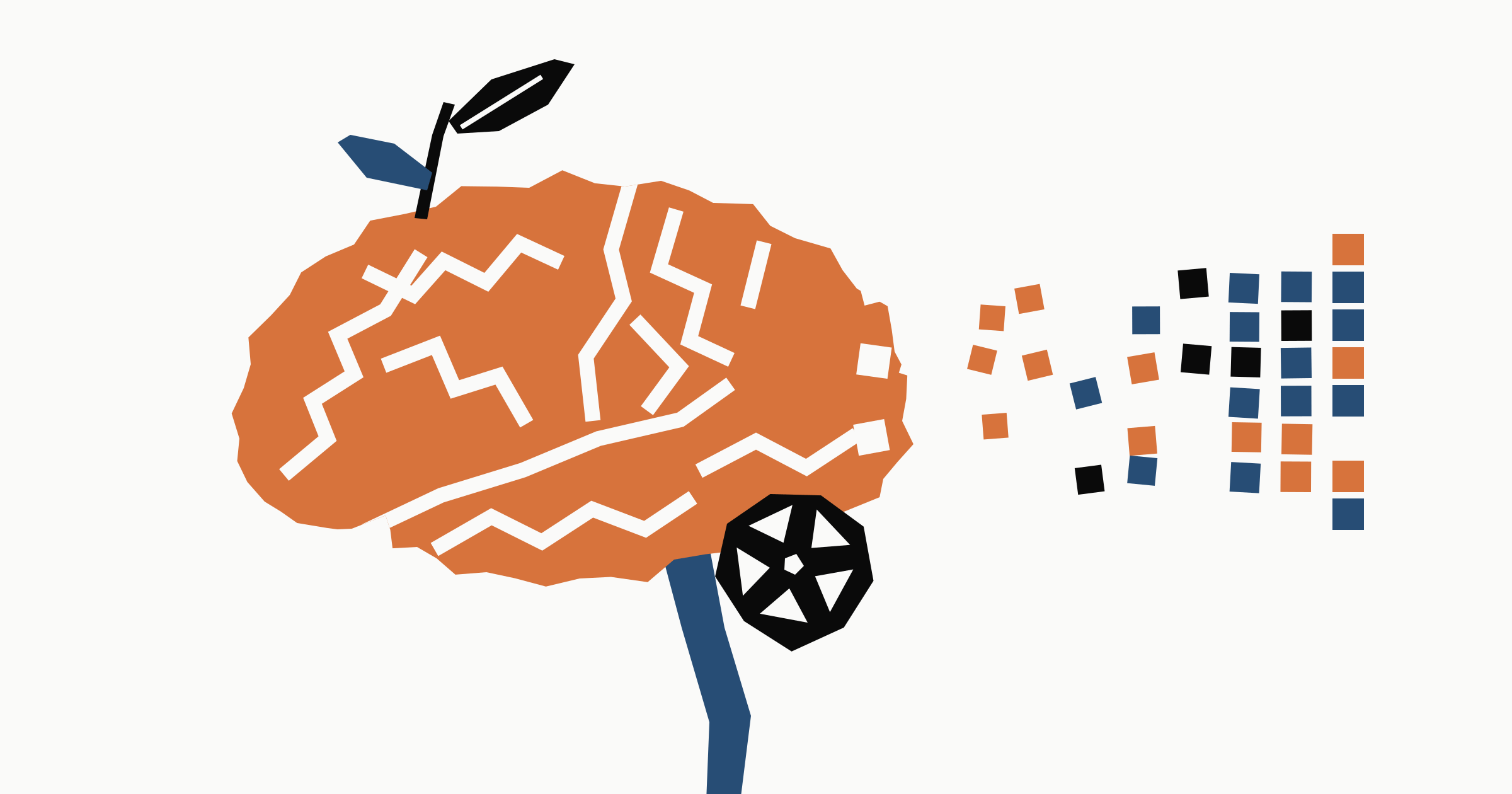
The headline reads like a eulogy. It isn't one.
Something did die. For a long time, the hard part of design and engineering was tactical: how to build the thing. How to lay out the screen, wire the states, write the component, chase the edge case. That work took most of the day, so it got most of our attention, and most of our identity.
Agents are taking that work over, and they're fast at it. A growing share of infrastructure code, the kind I design tools for, is now written by agents. A first draft that used to take a designer hours now shows up as a working prototype while I'm in meetings or asleep.
What didn't die is the thinking that decides what gets built, why, and what good looks like. That kind of thinking was always the most valuable part of the job. Now it's the most visible part, too.
What changed
At Pulumi I run a small system of agents that turns design requests into working prototypes, built from the real Pulumi Design System, and hands them to me as drafts. I wrote about how it works in Drafts While I Sleep.
The surprise wasn't that the agents could build. It was what happened to my day once they did. The time I used to spend producing first versions moved to judging them: what the request really needed, what was missing, what the names should be. One ticket asked for a label change. The agent's draft did exactly that, and it was thin. The real work was seeing that a rename couldn't be judged without the whole flow around it, and steering the draft there.
Agents are fast and literal. They follow your direction at speed, so a wrong direction just arrives sooner. When execution gets cheap, direction becomes the expensive part. That's the shift: tactical thinking is now abundant, and strategic thinking is now scarce.
Strategy is a decision others can build on
The most useful definition of strategy I know is a decision other people can build on without asking you first. That definition fits agents perfectly, because agents can't ask you first. They build on whatever you decided, or on whatever they guess.
I learned this long before agents. When I founded Octuple, Eightfold's design system, the components weren't the hard part. The hard part was the decision to make Octuple the single source of truth for the platform, over the patchwork teams already had. That one decision is why it grew from zero to 10,000+ production touchpoints in under eight months. The components scaled because the decision did.
The Pulumi Design Foundation is the same story. The most consequential call I made wasn't a color or a type size. It was one shared token library behind the entire component library, so a change made once applies everywhere. The payoff came later, when dark mode shipped for the whole console within a week of being specified. Nobody repainted hundreds of screens. The thinking had already been done, long before anyone asked for dark mode.
That's what strategic thinking buys you in an agent-driven world. Every decision you make once, and make well, gets executed thousands of times by someone or something else. The leverage was always there. Agents just turned it all the way up.
Thinking has to be written down
There's a catch. Agents can't read your mind, and they don't remember why. Strategy that lives only in your head is invisible to them.
So the most important habit I've built is writing the thinking down. Every project my agents touch has notes: the requester's words, quoted and dated, the decisions made so far, and the open questions. The agents read those notes before they build. Those notes did more for quality than any model upgrade has.
The same goes for the frame I give agents. I keep a persona that describes the level of work I'm aiming for and the things I care about, and every task starts from it. You design at the level you ask your agent to design at. A vague brief gets vague work back, instantly and at scale.
Design systems are written-down thinking, too. Tokens with semantic names, such as color-success instead of a hex value, encode intent. An agent building a screen from the Pulumi Design System inherits the decisions already made about hierarchy, density, and meaning, without anyone having to explain them again.
What I do with the time
The time agents give back isn't free time. It's thinking time, and I try to spend it on problems agents can't frame for themselves.
Some of it goes to decisions that need taste and context. On the Pulumi Resources page, the old screen led with a column of filtering facets that was distracting and hard to understand. No agent would have proposed removing it, because nothing in the ticket said it was wrong. Folding filtering into the table itself was a judgment about what people actually do.
Some of it goes to questions nobody asked. Explorer, a concept I designed end to end, rethinks how Pulumi represents resources at all: the whole cloud estate on one graph, with cost, ownership, connections, and health together. That started from a question, not a request.
And some of it goes to reviewing more options instead of polishing one. When a first draft costs almost nothing, "what would this look like?" becomes a message, not a project. The quality bar goes up, because I'm choosing between real alternatives instead of defending the only one I had time to make.
Why I'm hopeful
It's easy to read this moment as a story about loss. I read it the other way.
Most of us didn't get into design or engineering to push pixels or write boilerplate. We got into it because we wanted to solve problems, to make things that work well for people, and to have a say in what gets made. For years that part of the job got squeezed into the margins of the tactical part. Now it's the center.
The people who'll do best aren't the ones who type fastest. They're the ones who can frame a problem clearly, decide what good looks like before anything gets built, make decisions that hold up when someone else executes them, and tell a good draft from a plausible one. Those are human skills, and they get more valuable as everything around them gets faster.
If you want a place to start, here's what's worked for me:
- Decide what good looks like before you prompt. The brief is the design now.
- Make decisions once, as systems. Tokens, schemas, and rules outlast any single screen.
- Write the why down. Agents start from your notes, not your memory.
- Review like an editor. Judge the draft against the intent, not against the effort it took.
- Spend the time you get back on the hard problems. Agents can't do that part for you.
Thinking isn't dead. The tactical kind is getting cheaper every month. The strategic kind, the kind that points the work in the right direction, has never mattered more. Long live thinking.
Dylan